
Scripture Reading: John 20:24-29
Now Thomas, one of the twelve, called the Twin, was not with them when Jesus came. So the other disciples told him, “We have seen the Lord.” But he said to them, “Unless I see in his hands the mark of the nails, and place my finger into the mark of the nails, and place my hand into his side, I will never believe.”
Eight days later, his disciples were inside again, and Thomas was with them. Although the doors were locked, Jesus came and stood among them and said, “Peace be with you.” Then he said to Thomas, “Put your finger here, and see my hands; and put out your hand, and place it in my side. Do not disbelieve, but believe.” Thomas answered him, “My Lord and my God!” Jesus said to him, “Have you believed because you have seen me? Blessed are those who have not seen and yet have believed.”
St. Thomas and the Power of Gentle Faith: A Sermon on Doubting Thomas
By James Huenink
Grace, mercy and peace to you from God, our Father and from our Lord and Savior, Jesus Christ. Amen.
Introduction: Celebrating St. Thomas the Apostle
Today, we are celebrating St. Thomas with one of the most famous and most important readings from the Gospels about his interaction with Jesus. As I said in our introduction, St. Thomas is well known for going all the way out to India. One of my Indian professors at the seminary liked to talk about St. Thomas's importance to the Christians out there.
The Chapel of Saint Paul and Saint Thomas
At that same seminary, they have the big chapel at Concordia Seminary in St. Louis—the giant one where they have their main services and call day that seats hundreds of people. That is the Chapel of St. Timothy and St. Titus. They called it that because it represents the two kinds of seminarians who come: the ones who come right out of college are Saint Timothy, the young ones, and Saint Titus was an older man, the second career.
But few people know there's another chapel inside Concordia Seminary, and it's about the size of our altar area, and it is the Chapel of Saint Paul and Saint Thomas. This is a missionary chapel because Saint Paul was the farthest west of the apostles—some think he made it all the way out to Spain—and Saint Thomas the farthest east, who made it all the way out to India where he was martyred.
Understanding Thomas's Story: A Lesson in Evangelism
It's this missionary endeavor of St. Thomas that leads us to the themes of our gospel reading today. St. Thomas's story is not a neat story, but I think it teaches us about interacting with people who need to hear the gospel.
Why John Tells This Unusual Story
St. Thomas is actually kind of a weird story. It's odd that John has decided to give us one apostle who needed to hear the message, as opposed to all the others. And I think he tells us this story for a very good reason. He wanted to talk about the moment where Jesus appears with the apostles and tells them to go out the way Jesus was sent and forgive the sins of the world. But we needed this story to help us remember how to interact with unbelievers.
The apostles—the 11 or the 10 who were in the room with Jesus—they were unbelievers when Jesus appeared to them. If they weren't, they would have been waiting outside the tomb, going "anytime now, guys," right? But they were hiding. They did not believe that Jesus was coming.
Thomas the Unbeliever: Demanding Proof
John doesn't give us the story to help us understand their conversion, but to see the powers that God has given His church. It's this story today, the story of Saint Thomas, that emphasizes Christ's missionary endeavor to an unbeliever, and how gently and powerfully he simply speaks the word of God.
Thomas's Famous Declaration
Thomas was an unbeliever when Jesus appeared to him, and we know that because the disciples went to him over and over and over and said, "We've seen Jesus." And it wasn't like you and me, who are like, "I know Jesus is alive because God's word says so." It was, "We saw him yesterday, dude, he was there."
And Thomas goes, "Unless I see in his hands the mark of the nails, and place my finger into the mark of the nails and place my hand into his side, I will never believe." He's like, "I gotta poke him to know that it's true."
Jesus's Response: Peace, Not Anger
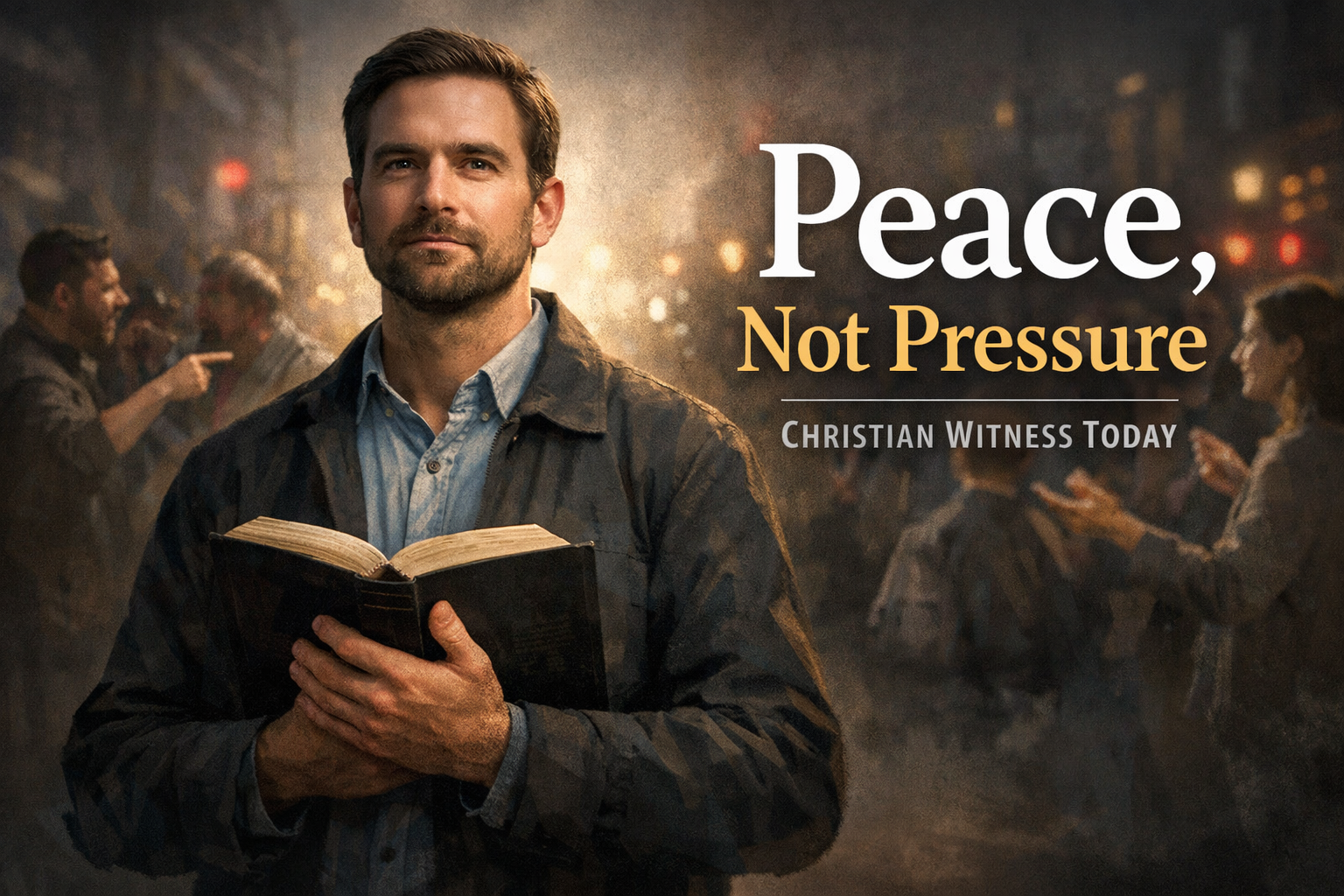
How does Jesus interact with this unbeliever, someone who does not know the gospel of Jesus Christ, the gift of His Resurrection and the peace that we all have? When Jesus shows up and speaks to Thomas, the first thing he says is, "Peace be with you."
The Power of Christ's Gentle Approach
I think that is awesome. Jesus comes to the disciple who refused to believe, who heard the message and says, "No way. Never, ever, ever." Jesus, knowing all of this, comes to Thomas and says, "Peace be with you." That's because Jesus loves Thomas as he loves all people who need to hear the gospel.
And it doesn't matter how many times Thomas fought against the Holy Spirit or against the message, or how aggressive Thomas was towards his disciples, who probably told him over and over and over—there were 10 of them after all. Even if Thomas finally waits until he is so upset by all of this messaging that he lashes out and says, "Never," Jesus simply shows up one more time and says, "Peace be with you."
He's not aggressive. He's not angry. He doesn't say, "How dare you, disciple, not believe in me." He doesn't gather the apostles together and say, "You guys believed right away. We got to make sure to punish this guy until he comes back into the church." There's no army. He just wishes peace. Peace be with you.
Sharing the Gospel: Lessons from Jesus's Approach
It's the same peace that we have, the peace of the gospel of Jesus Christ. Because Jesus died and rose from the dead, we have peace with God. We know that we have eternal life and we will never have to worry about our fate. We have this sure and true confidence, and the only message that Jesus wanted to give this unbeliever was: believe and have peace, just like the rest of the disciples.
Motivated by Love, Not Fear or Desperation
It's out of love that Jesus comes to him. He's not angry, he's not hostile or aggressive. He just wants to share the gospel because Thomas needs to hear it. And that's the thing that reminds us when we share the gospel as well, that it is not anything but love that should motivate us. We aren't there to be angry when people reject us. We just love as Jesus did.
But I think it's also more important to remember not to share the gospel out of desperation or fear. We don't share the gospel because we have a negative number in our budget, or because the seat next to you is empty. We share the gospel because we want to deliver the peace that we have, the gift that Christ gives us, because we care about the people who need to hear about Jesus. People can tell if you care more about the budget than you do about them or about a missing seat than you do about Christ. We share the gospel because we love, because we want them to have that kind of peace.
Answering Questions Without Fear
The next thing Jesus does is something I love again. He does not come to Thomas with anger. He answers Thomas's question. There really wasn't a question—he was actually kind of giving a demand. "Here's the evidence that I will believe." And Jesus is like, "Shoot. Here it is."
The Church Can Handle Doubt and Questions
I've talked with enough Christians who've had bad experiences in the church with asking questions, whether it was when they were a kid (because kids sometimes ask the craziest questions, right?), or as adults, they go to pastors and pastors don't know the answer and they get mad instead. It's too bad, right? And sometimes people will say that they've had experiences in the church where they ask a question and someone responds with anger: "How dare you ask this question, you just need to believe."
Not even Jesus does that. When an apostle doubts his Word, Jesus doesn't show up and say, "How dare you test me? How dare you say this? You should have believed." Christ offers Thomas the proof he needs, but he does offer us a reminder. He says, "Have you believed because you have seen me? Blessed are those who have not seen and yet believed."
We Have the Truth—We Don't Need to Fear Questions
We in the church, we can handle questions. We can handle fears. When people look at the Bible and they say, "Well, that's kind of weird. What's going on there?" We've got the answers. It's God's word. It's true. We don't have to worry about questions. We don't have to worry about challenges. Even people who look at what we teach and say, "That's crap"—it's an opportunity to show them the truth.
We don't have to be worried or afraid of these things, because God has given us the truth, the word of God and a teaching and doctrine that is based on it. We always have answers. We always have the truth, even if sometimes it's, "Well, that's a really... the Bible doesn't tell us." We don't have to be afraid, just as Jesus wasn't. We can simply express the gospel truth and know that the Holy Spirit does the work.
Come and See: The Gospel of John's Theme
That's what Jesus did. He was confident that his appearance and His presence was enough. He shows up. He says, "Look, here I am," and Thomas believes. Now, of course, when Jesus appears in front of you in a flash in the middle of the room and you thought you saw him die and be buried, it's pretty hard to say, "Nope, that's not the guy."
Experiencing Christ Is the Path to Faith
But this also reflects a theme of the Gospel of John, a theme that John shows to his church for a reason: that experiencing who Christ is is the best way to believe and understand. And it goes all the way through the whole gospel. When in the first chapter of the Gospel of John, Jesus goes to the first of his disciples, one of them hears and runs out to his brother and says, "We found the Messiah." And he goes, "No way, nothing can come out of Nazareth." And then he says, "Come and see."
And that's how people learn about Jesus. They come experience who he is. They hear his word, they learn the gospel, and the Holy Spirit fills them. That's all of evangelism. Come and see who Jesus is, hear his word, be filled with the Spirit. We don't have to do anything else. Just show them Jesus.
Simple Evangelism: No Tricks Required
It's not about technique. It's not about packaging it the right way or filling it up with the right ideas. Smoke machines aren't central to the gospel of Jesus Christ, and neither are laser light shows. In fact, the only thing that you need is the word of God and the Savior.
The Word and Sacraments Are Enough
That's what Jesus did with Thomas. He showed up and he said, "Here I am," and we've been given amazing tools to do the same: the word and the sacraments. And it's through this word, the stories of Jesus Christ, the message, the gift of salvation that God has given you to give you the peace that passes all understanding, that we too share the gospel with those around us with love, with peace and with joy, because we have the truth.
We don't have to rely on tricks, we don't have to rely on technique or on salesmanship. We just give the people Jesus and they learn.
Conclusion: Following Christ's Missionary Heart
The story of St. Thomas helps us to see the missionary heart and love of a Savior who goes to an unbeliever and offers him peace, who gives him the proof he needs by sharing His very presence. And Christ calls the same for us. Share the gospel in love to offer the word so that others can hear and trust that Christ Himself will do the rest of the work.
In Jesus' name. Amen.
Find us on Youtube, Apple Podcasts, or Spotify.