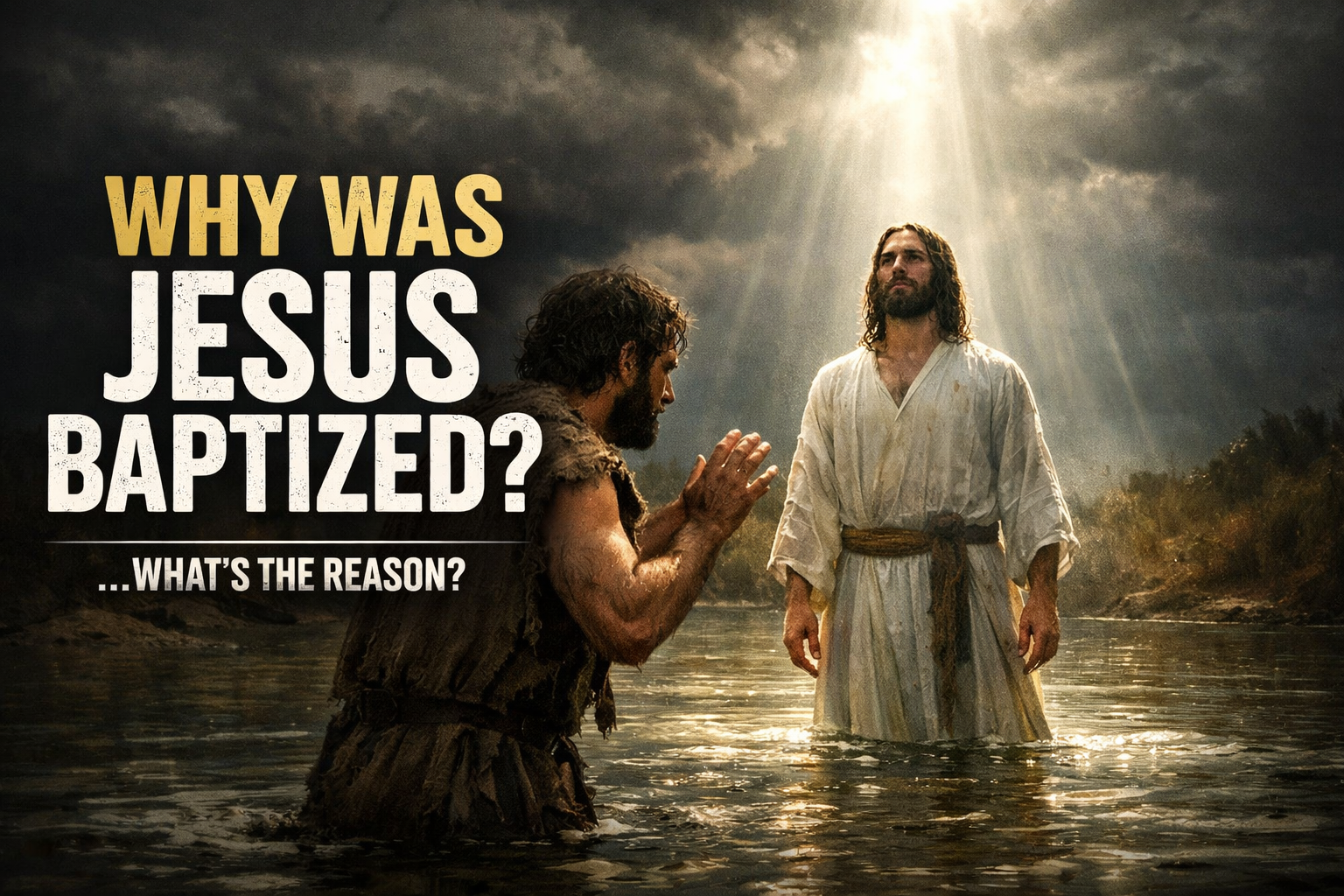
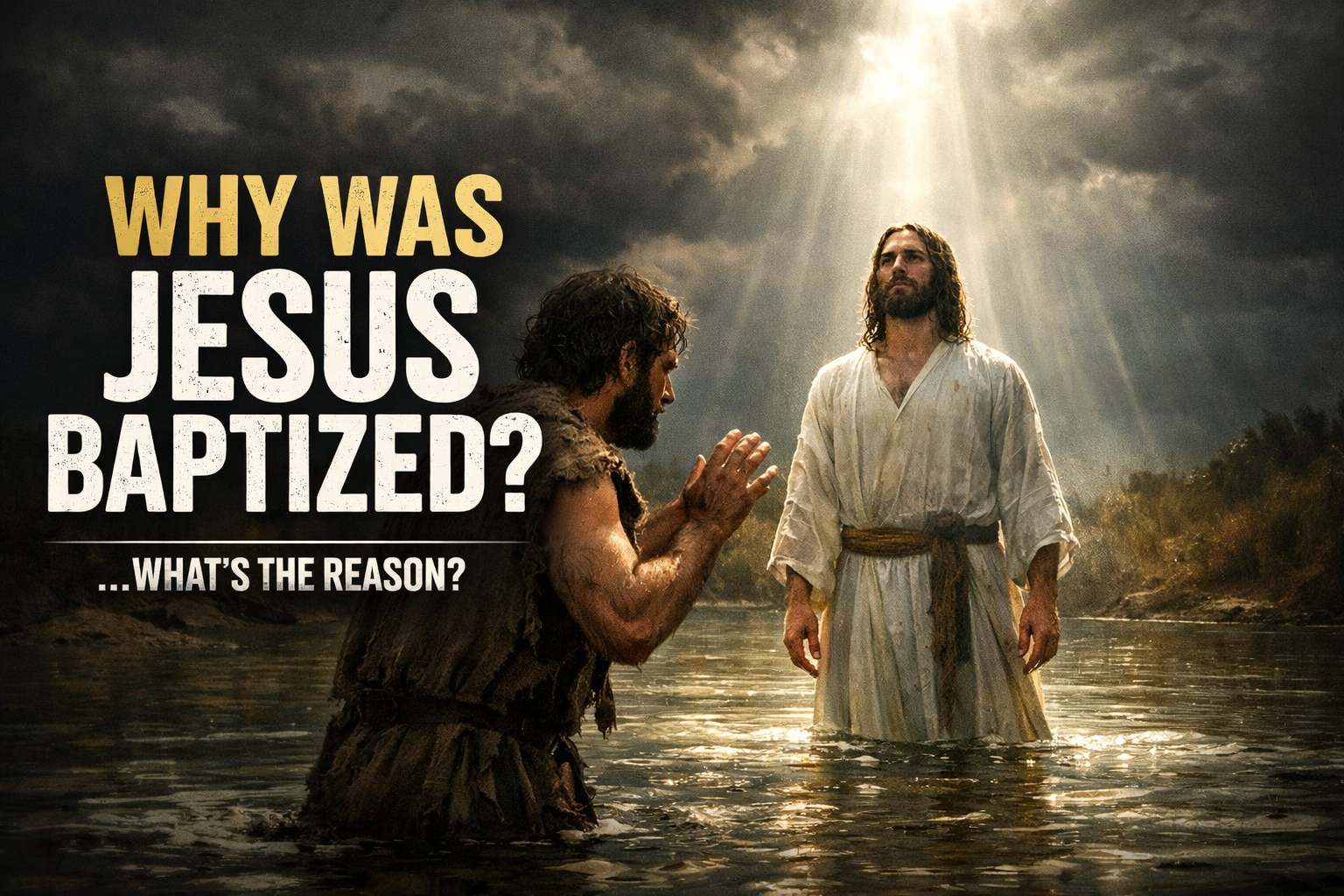
Scripture Reading: Matthew 3:13-17
Then Jesus came from Galilee to the Jordan to John, to be baptized by him. John would have prevented him, saying, “I need to be baptized by you, and do you come to me?” But Jesus answered him, “Let it be so now, for thus it is fitting for us to fulfill all righteousness.” Then he consented. And when Jesus was baptized, immediately he went up from the water, and behold, the heavens were opened to him, and he saw the Spirit of God descending like a dove and coming to rest on him; and behold, a voice from heaven said, “This is my beloved Son, with whom I am well pleased.”
The Unique Witness of Matthew's Gospel
Today we're celebrating Jesus's baptism, and all of the Gospels tell this story. It's actually one of the few stories that every single gospel records—the crucifixion and the resurrection being the others. Mark presents Jesus appearing seemingly out of nowhere, suddenly being baptized. Luke focuses extensively on what John is preaching, and also tells the baptismal story. The Gospel of John takes an interesting approach, presenting it mostly as a flashback where John tells the disciples, "You know, God told me that the one the Spirit descends upon, that was Him. And, you know, this is the guy."
Matthew, however, has a unique contribution to the story that is different from every other gospel. When he records the interaction between Jesus and John, when Jesus comes to John, John says, "No, I can't baptize you. You should baptize me." What is the point of this interaction? Matthew doesn't include it just for fun. He's trying to tell us something about who Jesus is and what's going on here in the baptismal story of Jesus.
Key Insight: This interaction between John and Jesus is key to understanding baptism itself. Why is Jesus getting baptized? Why do we get baptized? This interaction helps to explain it.
Two Competing Views of Baptism
There are competing claims about what baptism does in the world. We can divide Christianity between two camps: one that sees baptism as something God does to us, and another that sees baptism as something we do for God.
On the first side, we have the Lutheran church, the Catholic church, and various other traditions who disagree on exactly what baptism does, but agree that it's God's work. On the other side is most of the rest of the Protestant church—Baptists, Anabaptists and others who say baptism is a public statement of faith.
Whether you believe baptism is God's work or our work for God, once you make that decision, all sorts of different implications follow. Questions like: Should we baptize infants? Should we baptize more than once? Is baptism something that we can cling to for comfort, like we do when we say "God's own child, I gladly say it"? In fact, everything that we do about baptism depends on this question: Is it God's work or mine?
John's Baptism of Repentance
To understand this, we have to look at the passage that comes immediately before this story. Matthew introduces John the Baptist in the wilderness, preaching a gospel of repentance with a baptism of repentance. All of the people are coming out to John, confessing their sins and being baptized in the Jordan River. This is the heart of what John is doing in the Gospel of Matthew—people come to John to repent.
This is why John, when he sees Jesus, says, "Wait a second. You have no need to repent. You are the Son of God, perfect in every way. You should be baptizing me, not me baptizing you."
"To Fulfill All Righteousness"
Jesus's response: "Let it be so now, for thus it is fitting for us to fulfill all righteousness."
To fulfill all righteousness. Jesus is referring to how he takes our place, fulfilling the righteousness that we need to fulfill, doing the good that we cannot do. This fits into the general theology of Matthew that Jesus came to be the new and perfect Israel. Jesus is fulfilling the law that we cannot fulfill. Jesus is doing the righteousness that we cannot do, and his perfection in doing this is even so great that he repents for us.
For us—because we're terrible at it. We can't even repent the way God tells us to, because deep in our hearts very often, we still kind of like the things that are wrong, and we keep doing them over and over. Who can truly say "My heart is filled with perfect repentance"? I know I can't. But Jesus is perfect, and he comes to take on our sin, to be the curse of the law, because we cannot do it right.
Jesus bears our sin in his body, comes under the curse for us, and it is most especially expressed when he even takes on death on the cross for us. Jesus bears our sin all the way through his whole life with his suffering, death and resurrection to take our place and do what we could not.
Mystical Unity with Christ Through Baptism
Baptism then becomes the place where we are connected to that life in Christ. When you were baptized, God joined you to Jesus in a mystical unity, so that his righteousness becomes yours. I use the word "mystical" because it's impossible to fully explain. It just means we don't understand it. Somehow, in some mysterious, unexplainable way, baptism joins you to Christ—not as a declaration that you make to God, but as a uniting in him.
Romans 6:3-4: "Do you not know that all of us who have been baptized into Christ Jesus were baptized into his death? We were buried therefore with him by baptism into death, in order that just as Christ was raised from the dead by the glory of the Father, we too might walk in newness of life."
This passage wouldn't make any sense if baptism was something we did for God. How could you say that being dunked in water to declare "I'm a Christian now" does anything? Paul says you were actually buried with Christ by baptism into his death, so that just as Christ was raised from the dead by the glory of the Father, we too might walk in newness of life.
In baptism, you died with Christ, and you rose with Christ. You are now living eternity as someone who has been raised from the dead with our Savior, Jesus Christ. And St. Paul takes this even further in Ephesians when he says our life is there with Christ as He is seated on the heavenly throne at the right hand of God, safe and sound in Jesus. Christ is our life because of baptism.
Biblical Support for Baptismal Grace
Baptism is something God does to you. It is not just plain water, but combined with the Word of God and the power and promise of God, you are united with Christ by the Holy Spirit. There are many places in the Bible that support this:
1 Corinthians 12:13: "For in one Spirit we were all baptized into one body—Jews or Greeks, slave or free—and all were made to drink of one Spirit."
1 Peter 3:21: "Baptism, which corresponds to this, now saves you, not as a removal of dirt from the body, but as an appeal to God for a good conscience, through the resurrection of Jesus Christ."
Galatians 3:27: "For as many of you as were baptized into Christ have put on Christ."
Baptism is a thing that God does to save us by uniting us with Jesus and making us one with him, so his perfection, His righteousness, His life, death and resurrection are ours by this mystical unity.
Addressing Common Objections
Objection 1: "Jesus was baptized. If baptism saves, why would Jesus need to be saved?"
It's a great objection. Some will say this marks the beginning of Jesus's ministry—He receives the Holy Spirit, is identified as the Son of God, and goes out to minister. That is true, and the same thing happens for us. When we are baptized, we receive the Holy Spirit and are marked for a life of service and love in the body of Christ. But it still doesn't change what Matthew says about baptism: that Jesus is doing this, repenting for us because we can't. Jesus isn't being saved by baptism. He is initiating baptism for us, living the life of repentance under the curse of the law, so that we can have his repentance and his righteousness.
Objection 2: "Many people have shown signs of salvation without being baptized."
There is the thief on the cross, where Jesus says, "Today, you will be with me in Paradise"—no baptism. Peter goes to the Gentile Cornelius, and while Peter is preaching, the Holy Spirit comes on them and they start speaking in tongues before they were baptized. If they were saved, why do we need baptism?
If the thief on the cross had somehow survived his crucifixion, you know what would have happened next? They would have baptized him. Peter and the rest at Cornelius's house were baptized right after that. We understand that God works through a myriad of ways, that the Holy Spirit comes to people through all sorts of things. For adults like Cornelius and his crowd, they received the Holy Spirit through the preaching of the Gospel before they were baptized, and then received baptism. For infants, they first get the Holy Spirit through baptism and then through the Word of God.
This doesn't invalidate baptism. It only invalidates it if you think you get the Holy Spirit just once and never again. But the Bible talks about the Holy Spirit at work in God's people through all sorts of means—through the Word and the Sacraments. God has given Christianity these Word and Sacraments, not because he needs just a single one-off delivery system and then you're on your own, but because he knows you need work on you all the time, over and over again. The Holy Spirit is given to us over and over again through the means of grace, through His Word and Sacraments.
Objection 3: "The book of Acts only describes adults being baptized as public statements of faith."
This simply misunderstands the purpose of Acts. The purpose of Acts is not to give us a manual on church life—if it were, we would do things very differently. The purpose of Acts is to describe the missionary work of the church as it grows from Jerusalem, Judea, Samaria and to the ends of the earth. Paul baptized adults because those were the people he was preaching to, not infants. It is quite possible that he baptized children as he baptized whole households.
But I think the most important thing to understand is that we have a very clear command to go and make disciples of all nations, baptizing them in the name of the Father, Son and Holy Spirit—not baptizing some of them, not baptizing only the old ones, but all nations. This clear command is something we should do, not withholding baptism from those who need it, not telling them you have to be old enough, but baptizing all nations.
Infant Baptism: The Beautiful Example of Grace
If baptism is truly God's work, who comes to us and does the work on us to deliver his grace, then the baptism of an infant is the most beautiful example of grace you can think of. A squirming child who mostly knows only to cry and coo cannot do a good work. Cannot stand up before a congregation and cry out, "I am a Christian now." Children like that can only receive love from their parents and love from God, and baptism is just that.
Baptism is that moment when we become united with Christ and God looks down from heaven on that child as we're splashing that water in the name of the Father, Son and Holy Spirit, and says, "This is my beloved son with whom I am well pleased."
That's what happened to you. That's what happens to every child who is baptized. That's what happens to every person who receives baptism, even in those churches that don't believe it. Because God does His work where his word is spoken and his promise is given.
Conclusion: God's Work, Not Ours
Baptism isn't a thing that we do for God. Baptism is how God chooses you, gives you Christ's righteousness, unites him with you, so that what happens to Christ is yours—His life, His death and His resurrection.
Find us on Youtube, Apple Podcasts, or Spotify.